What CapCut Director Mode Actually Is
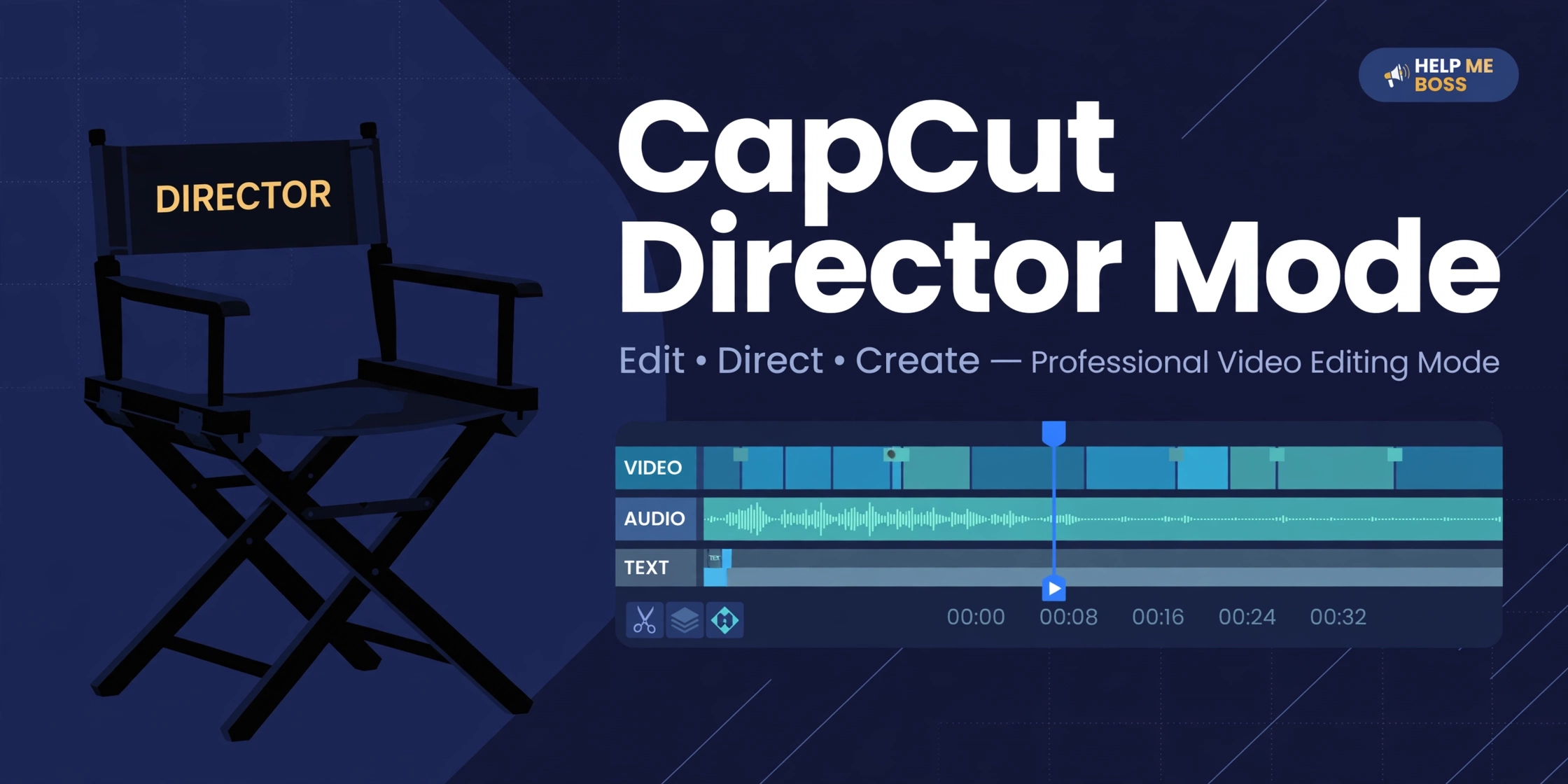
CapCut Director Mode is a production workspace inside CapCut Video Studio, announced June 28, 2026, that treats AI video creation like an actual film production instead of a pile of disconnected clips. Rather than generating one clip at a time and hoping the next one matches, you manage characters, scenes, props, visual style, and continuity from a single dashboard.
The target is short dramas — also called microdramas. These are mobile-first, vertical, serialized stories (think 60-90 second episodes with cliffhangers) that have become one of the fastest-growing formats in digital entertainment. The format lives or dies on continuity: the same character has to look the same in episode 12 as in episode 1, the props can’t teleport between scenes, and the visual style has to hold across dozens of episodes. That’s exactly the problem Director Mode was built to solve.
Why Single-Clip Generation Wasn’t Enough
Anyone who has generated AI video knows the pattern. You get one polished clip that looks great on its own. Then you generate the next scene and the main character’s face has changed, the lighting flipped, and the coffee cup in her hand vanished. For a single viral clip, nobody cares. For a 40-episode short drama, it’s fatal.
Traditional productions solve this with people: directors, continuity supervisors, art departments. CapCut’s bet is that one creator, working from one dashboard, can now do the job of that whole crew for serialized vertical content. You move from idea to cast, scene design, visual direction, and finished video inside one AI-assisted workspace.
How Director Mode Works
Here’s the workflow, step by step:
1. Build your cast and story world first
Before generating any video, you set up your production bible: character profiles (appearance, wardrobe, defining traits), locations, props, and the overall visual style. This is the part most AI video creators skip — and it’s the part Director Mode is designed to force you to do.
2. Plan episodes as scenes, not clips
You break each episode into scenes with defined camera directions, dialogue beats, and continuity notes. Director Mode keeps these organized so when you generate scene 4, the system still knows what the living room looked like in scene 1.
3. Generate with continuity references
Because the dashboard carries your character and scene data across generations, each new clip references the established look. The character who was wearing a red jacket in the trailer still wears it in episode 8.
4. Assemble and edit in CapCut
The generated footage flows into CapCut’s editor, where you add dialogue audio, music, captions, and effects — the same editing environment millions of creators already use for TikTok and Reels content.
Who This Is Actually For
Short drama producers. If you’re making serialized vertical dramas — for TikTok, Reels, or dedicated short-drama apps — this is the clearest use case. The format’s economics reward volume and speed: more episodes, faster releases, consistent characters.
Solo creators and small teams. Director Mode’s pitch is one person doing the work that used to take a crew. If you’re a creator who writes, generates, and edits everything yourself, the continuity dashboard removes the most tedious part of AI filmmaking.
Brands testing story-led campaigns. A brand can prototype a narrative ad series — same spokesperson, same style, episode after episode — without booking a shoot. The announcement specifically called out brands as a target audience.
NOT for: filmmakers who need precise camera control, complex action choreography, or broadcast-grade output. Director Mode organizes production; it doesn’t make the underlying video model smarter at any individual shot.
What Director Mode Can’t Do
Be realistic about the limits:
- It won’t fix bad prompts. A structured dashboard organizes your production; it doesn’t write better scene descriptions for you. Garbage in, organized garbage out.
- Character drift isn’t fully solved. Reference systems reduce drift dramatically, but across 40+ episodes you’ll still spot-check and regenerate. Budget time for that.
- It’s built for vertical short-form. If your goal is 16:9 cinematic content for YouTube or film festivals, this workflow is aimed at a different market.
- Dialogue and performance still lag. AI short dramas work best with strong visual storytelling and minimal complex dialogue — the format’s conventions (melodrama, cliffhangers, expressive close-ups) happen to suit what AI video does well.
Practical Tips for Your First Production
- Write the whole season outline first. Director Mode rewards planning. A one-paragraph-per-episode outline before you touch generation saves you from continuity contradictions in episode 20.
- Lock character references early. Generate your cast’s definitive look first and use those images as the anchor for everything after. Changing a character’s look mid-season is the fastest way to waste credits.
- Keep episode structures simple. Two to three locations per episode, one wardrobe per character per episode. Constraints are what make serialized AI video shippable.
- Batch your generations. Generate all scenes for one location in one session — the model’s consistency is strongest within a short window with the same reference set.
- Budget for regeneration. Even with a continuity system, plan on regenerating roughly a quarter of your clips. That’s normal, not a failure.
If you’re new to AI video overall, start with our best AI video generators for beginners to understand the tool landscape, then see how Director Mode fits as the production layer on top. For turning generated clips into platform-ready content, our faceless YouTube with AI guide covers the editing and publishing workflow.
How Director Mode Compares to the Alternatives
Director Mode isn’t the only attempt at solving AI video continuity. The landscape:
- Kling 3.0’s AI Director auto-sequences up to six shots inside a single clip — continuity within a clip, handled by the model. Director Mode handles continuity across clips and episodes, handled by your production plan. They complement each other: generate multi-shot beats in Kling, organize the series in Director Mode.
- Veo 3.1’s reference images keep a subject consistent per generation via 1-3 uploaded images. Powerful, but the references live in your head (or a folder) between sessions. Director Mode makes the reference set a persistent, managed asset.
- Manual bibles in Notion/docs — what serious AI filmmakers already do. Director Mode is essentially this workflow productized: the character sheets and style guides become first-class objects instead of documents you alt-tab to.
The pattern: the industry is converging on “persistent story world + generative shots” as the architecture for serialized AI video. Director Mode is CapCut’s productization of the story-world half.
The Microdrama Market Context
Why is CapCut investing here? Short dramas are among the fastest-growing digital entertainment formats — vertical, serialized, engineered for cliffhangers and binge-watching, with production cycles measured in days rather than months. The format’s economics (high episode volume, fast release cadence, modest per-episode budgets) are a natural fit for AI generation, and continuity is the format’s central production challenge.
For creators, this means a real market is forming around serialized AI video — not just viral one-off clips. The creators who learn production discipline (bibles, locked references, batch generation) now are positioning for a format that’s still early. Our Kling 3.0 vs Veo 3.1 comparison covers which generation models pair best with this workflow.
Official source: CapCut
Frequently Asked Questions
Is CapCut Director Mode free?
CapCut hasn’t published standalone pricing for Director Mode. It lives inside CapCut Video Studio, and AI generation features in CapCut’s ecosystem typically run on the platform’s credit or subscription system. Check CapCut’s current pricing page before planning a production budget.
When was CapCut Director Mode announced?
June 28, 2026, via a GlobeNewswire press release, as part of CapCut Video Studio.
Does Director Mode replace a video editor?
No. It organizes the production — characters, scenes, continuity — but you still edit the finished footage in CapCut (or export to your editor of choice).
Can I use Director Mode for YouTube videos?
It’s designed for vertical, mobile-first short dramas. You can technically produce any short-form vertical content with it, but 16:9 long-form YouTube production isn’t its focus.
How is this different from just using CapCut’s AI video tools?
Regular AI video tools generate clips one at a time. Director Mode adds the production layer — persistent characters, scene management, and continuity tracking — so those clips connect into a coherent series.
Do I need filmmaking experience to use it?
No, and that’s the point. But basic storytelling instincts (pacing, cliffhangers, character consistency) matter more here than technical skill — the tool handles the technical organization.